NZ Recommend Majors
Veterinary Science
Bachelor of Veterinary Science




Veterinary Science
Bachelor of Veterinary Science
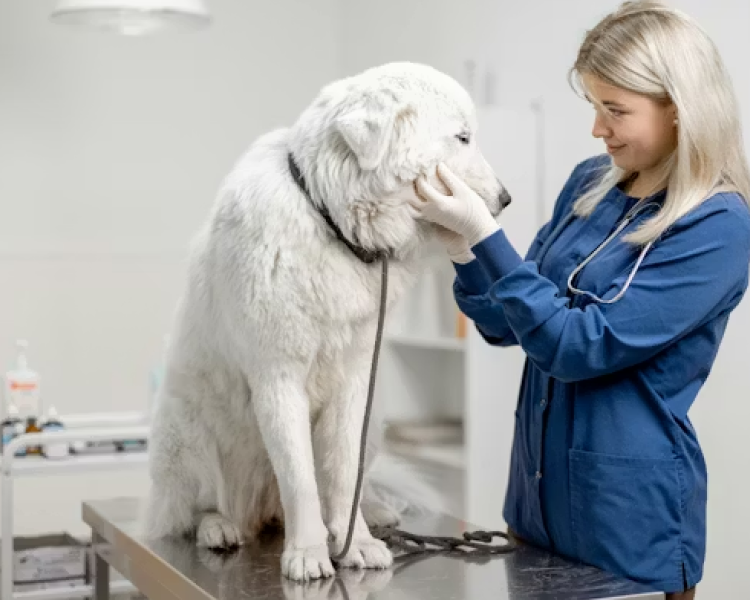
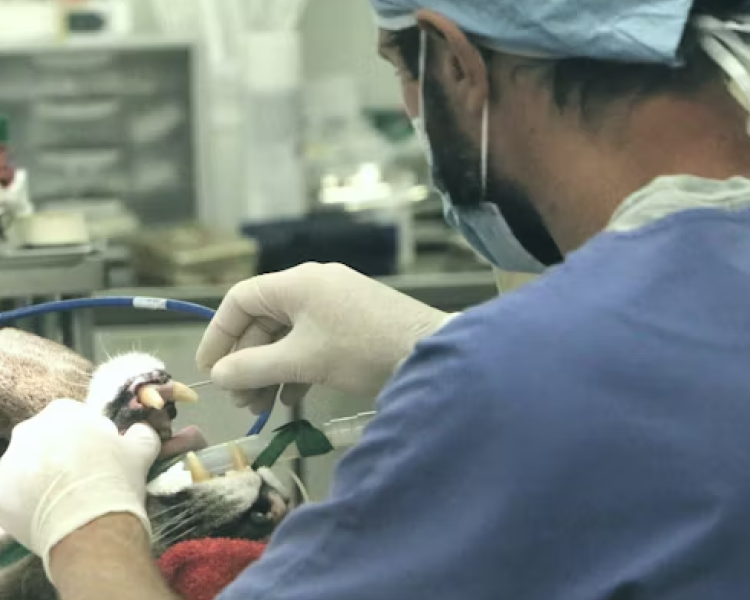
Veterinary Science in New Zealand focuses on the study of animal health, including the diagnosis, treatment, and prevention of diseases in all types of animals. In New Zealand, students can study at Massey University, whose Veterinary Science programme is accredited by the American Veterinary Medical Association (AVMA), placing it among the leading global veterinary schools.
Individuals who obtain a Veterinary Science degree from New Zealand mostly become veterinarians or work in government roles such as the Ministry for Primary Industries (MPI). This qualification is widely recognised internationally and is accepted in countries such as the USA, Canada, the UK, and Australia. It also enables graduates to apply for licensing or registration assessments in other regions, particularly across Europe and Asia.
Graduation Programmes
Massey University
Bachelor of Veterinary Science – 5 years
- New Zealand high school graduation or 1-year Foundation programme
- Massey University Pre-selection course (6 months) + Bachelor of Veterinary Science (4.5 years)
- 3-year Post-Study Open Work Visa
- New Zealand veterinary qualification
Career Pathways After Graduation
Most Massey University veterinary science graduates demonstrate strong employment outcomes, securing veterinary roles both in New Zealand and internationally. Around two-thirds establish veterinary clinics after graduation, while many also work as veterinarians in the United Kingdom and Australia. In their first year after qualifying, graduates typically join small or large animal veterinary hospitals, where they build essential clinical experience before progressing into diverse career pathways.
While some remain in clinical practice long term, others transition into research roles at universities or move into teaching and education positions. Career opportunities are further expanded as veterinary scientists are also employed by government organisations, including conservation policy and agricultural departments, as well as by industries such as dairy production and meat processing, focusing on food safety, quality assurance, and product management.