Australia University
RMIT University
Royal Melbourne Institute of Technology
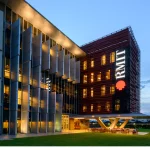
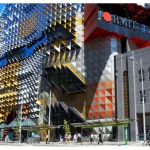

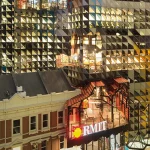
RMIT University
Royal Melbourne Institute of Technology
Why choose RMIT
-
Ranked 119th globally and 10th in Australia (QS Rankings 2027)
-
Art and Design ranked 19th globally and 1st in Australia (QS Rankings 2026)
-
Established in 1887 as a vocational institution, later elevated to university status
-
Offers its own Diploma and Advanced Diploma programs for entry pathways
Introduce School
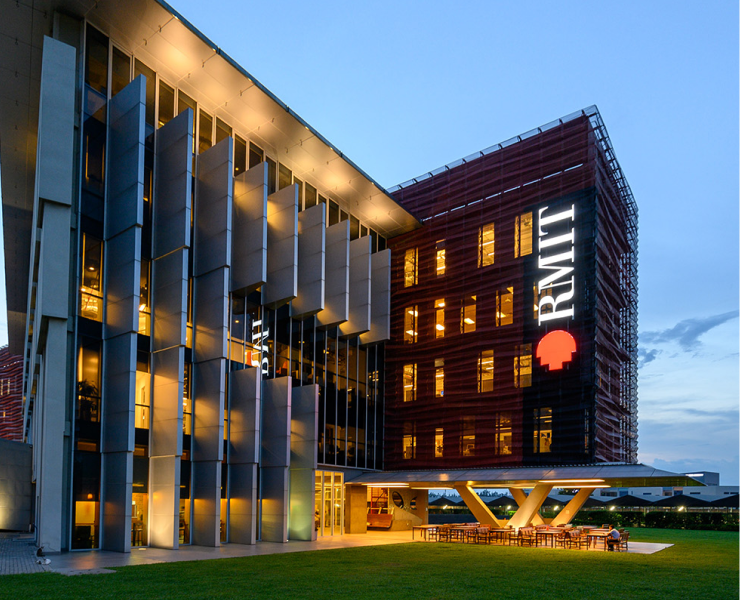
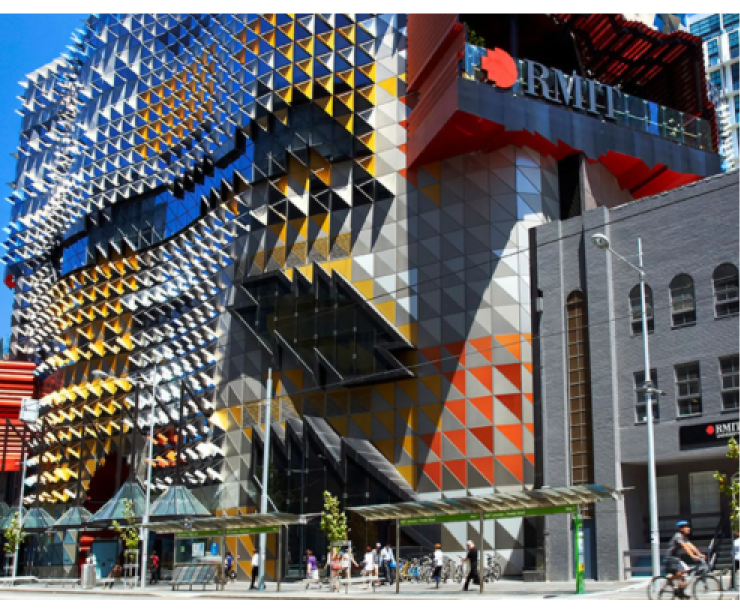
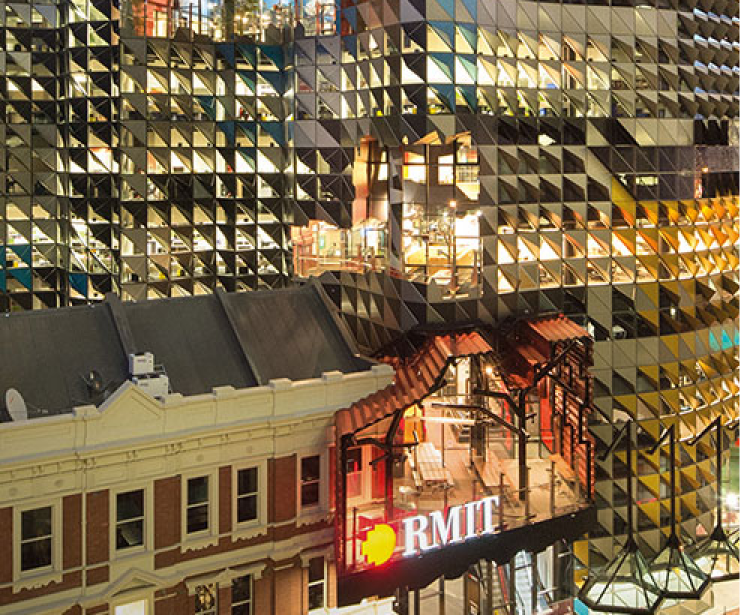
RMIT University is a globally recognized institution known for career-focused education, industry-connected learning, and innovative research that responds to industry and societal needs. It has a strong international reputation in Art and Design, Architecture, Education, Engineering, Computer Science, Information Technology, Business, Communication, and Media Studies.
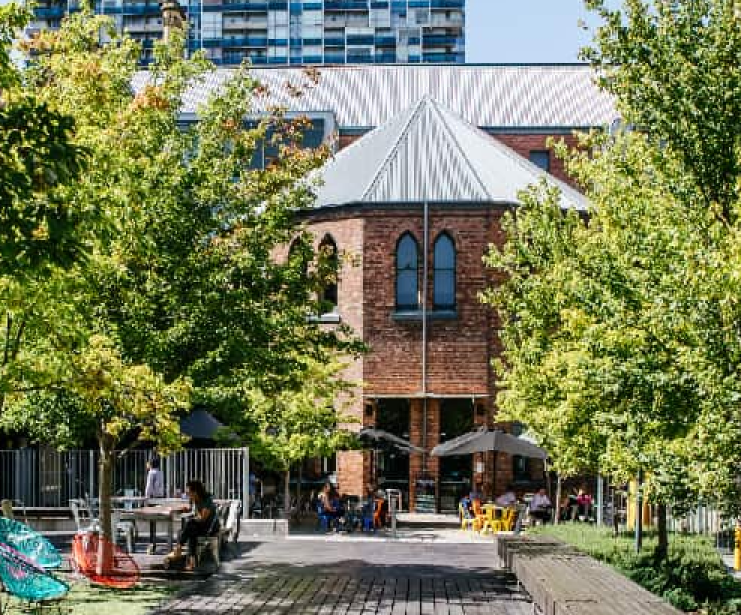
Approximately 90,000 to 95,000 students study across RMIT University’s global campuses, supported by around 11,000 to 12,000 academic and professional staff dedicated to high-quality teaching, research, student support, and knowledge development. Students can participate in more than 100 clubs and societies while studying at the centrally located Melbourne City campus or the spacious Bundoora campus. RMIT also offers Diplomas, Advanced Diplomas, and Associate Degrees, providing flexible study pathways and alternative entry options for students who do not meet direct undergraduate admission requirements.
Recommended programmes
-
Art, Design and Architecture
-
Building, Construction and Planning
-
Business
-
Communication and Digital Media
-
Computing, Games and Information Technology
-
Education and Teaching
-
Engineering
-
Environment and Sustainability
-
Health and Biomedical Sciences
-
International and Community Services
-
Justice and Legal
-
Science